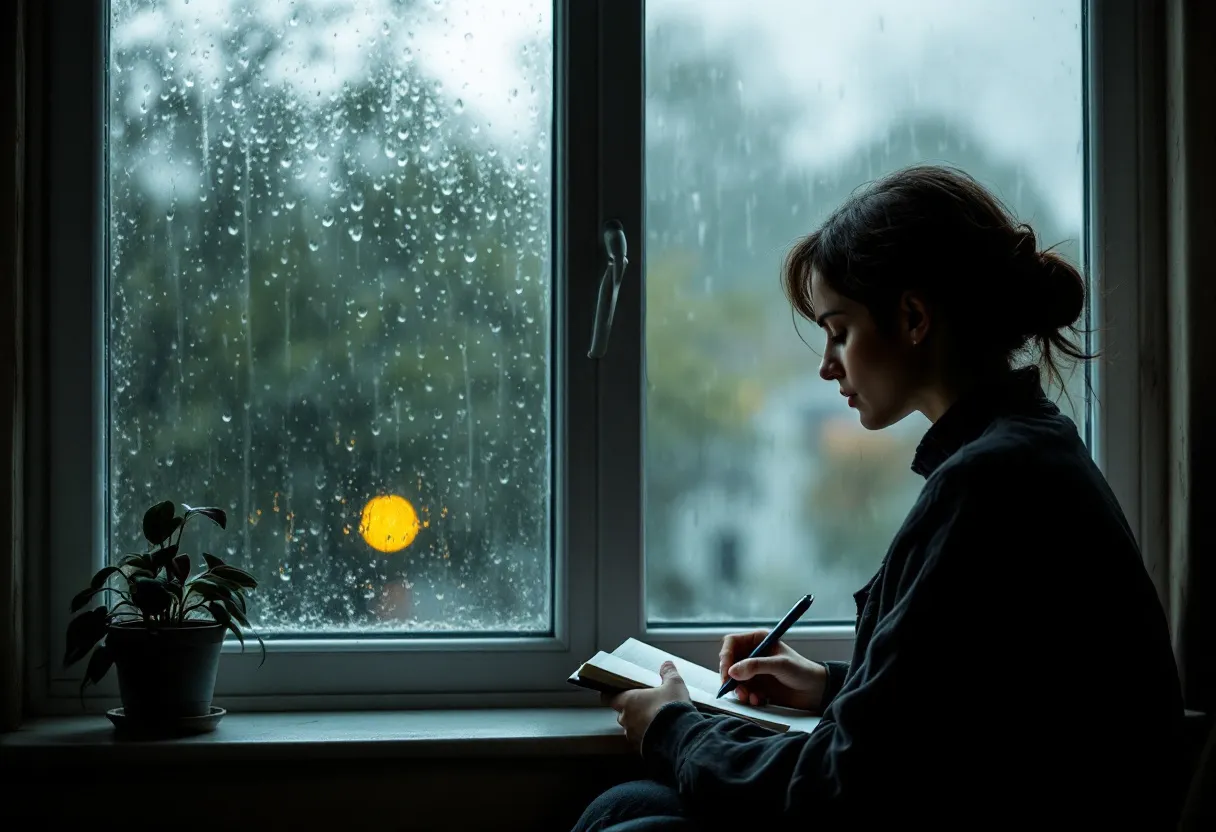
Gratitude Journaling: A Simple Daily Practice That Works

Gratitude journaling is one of the most-studied and least-complicated wellbeing practices. Done right, it genuinely shifts where your attention goes over time. Done wrong, it feels like a hollow chore. The difference is entirely in the how — here it is.
Be specific, not generic
I am grateful for my family does almost nothing — it is too abstract to feel. I am grateful my brother called just to check in today does a lot, because it is concrete, recent, and personal. Specificity is what makes gratitude land emotionally rather than sitting there as a nice idea. Name the actual moment, the actual person, the actual thing.Three things, most days
The classic format is three things you are grateful for, and it works. Aim for most days rather than a perfect streak, and deliberately vary them — the brain tunes out repetition fast, so if you write 'my health, my home, my family' every day it stops meaning anything. Hunt for new, small, specific things each time.Include the small and even the hard
The best gratitude entries notice tiny things — a good coffee, ten quiet minutes, a stranger's kindness — because training your attention on small goods rewires what you notice all day. On harder days, you can sometimes find something even inside the difficulty (this was rough, but a friend showed up). That is where the real resilience-building happens.Avoid the toxic-positivity trap
Gratitude journaling is not about pretending everything is fine or silencing real problems. That backfires. Honest gratitude notices the good that is genuinely there alongside the hard, not instead of it. You are allowed to be grateful and struggling at the same time — in fact, that is the most useful kind of entry.Keep it where you'll see it grow
A gratitude practice compounds when you can look back over weeks and see the accumulation of small goods — it is a genuinely uplifting thing to re-read on a low day. start your free journal and let it hold your entries so the practice builds instead of scattering across sticky notes.Start your private journal — free
A warm space to think, that remembers what you told it. No blank page.
Start freeFrequently asked
Does gratitude journaling really work?
Many people report a real shift in outlook, and it is among the more researched wellbeing practices. It works best when entries are specific, varied, and consistent.
Isn't it just toxic positivity?
Not if you are honest. Gratitude is noticing the good that is genuinely present, not denying the hard parts. The two can coexist in the same entry.
When is the best time to do it?
Many people like it at night to end the day well, or in the morning to set the tone. Pick one and pair it with an existing habit.